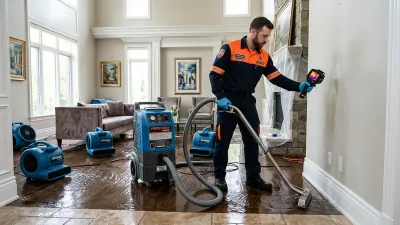
First Steps After Water Damage at Home
Use a practical safety-first checklist after a leak or indoor flood: avoid hazards, stop water only when safe, document visible damage, and ask about cleanup options.
Read Full GuideRead practical information about safety, cleanup planning, water removal, drying, and records to keep after a water loss.
Use a practical safety-first checklist after a leak or indoor flood: avoid hazards, stop water only when safe, document visible damage, and ask about cleanup options.
Read Full Guide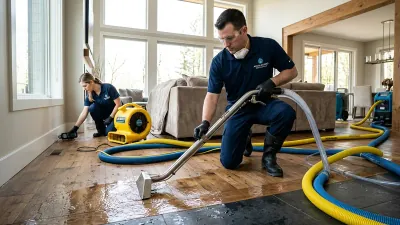
The source and path of water help determine handling precautions, cleaning needs, and which materials may be affected. Learn what to discuss with a cleanup provider.
Read Full Guide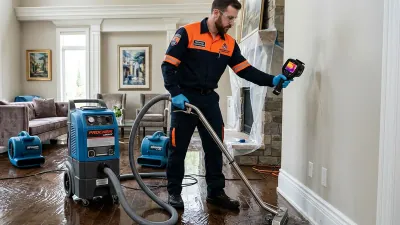
Drying time depends on the water loss, building materials, room conditions, and the provider's monitoring plan. Learn what questions to ask during an assessment.
Read Full Guide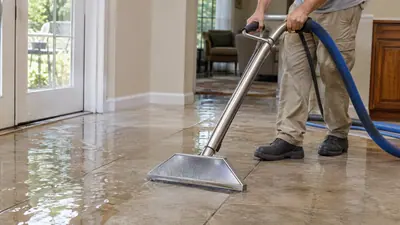
Learn how a provider may assess standing water, choose removal equipment, and explain next steps for damp materials, disposal, and drying.
Read Full Guide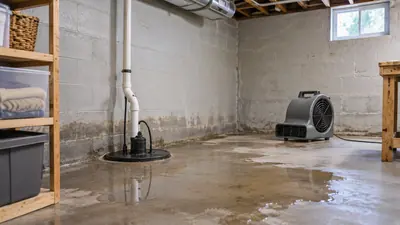
Before entering a wet basement, consider electrical and structural hazards, possible contamination, the source of water, and what to document safely.
Read Full Guide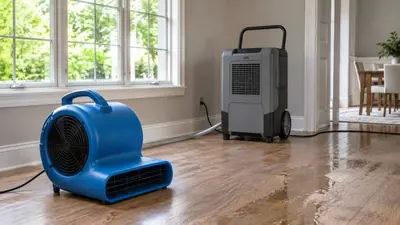
A burst pipe may require both plumbing repair and water mitigation. Learn how to prioritize safety, stop the water if safe, and coordinate separate scopes.
Read Full GuideOrganize photos, dates, estimates, and invoices after a water loss. Coverage depends on your policy, so confirm requirements with your insurer.
Read Full Guide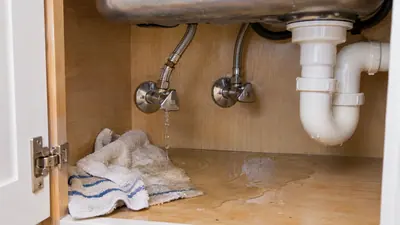
Simple maintenance and planning steps can reduce avoidable water intrusion. Review drainage, sump equipment, shutoffs, and a household response plan.
Read Full Guide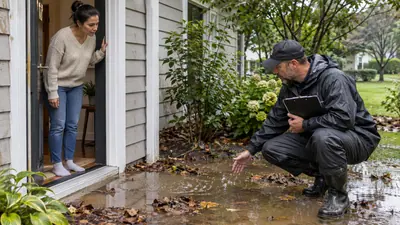
Use these practical questions to understand a restoration provider's inspection, written scope, pricing, drying plan, and documentation before you authorize work.
Read Full GuideCall to ask whether an independent provider serves your location. Availability and timing vary.